The Importance of Cleanliness and Hygiene in the Hospitality Industry
Cleanliness and hygiene are of paramount importance in the hospitality industry. The first impression a guest has when entering a hotel is based on the cleanliness of its environment. Whether it’s the guest rooms, bathrooms, or public areas, the level of cleanliness directly impacts guest satisfaction. If a hotel fails to maintain a high standard of cleanliness, it not only affects guest experience but may also lead to negative reviews, which can harm the hotel’s brand image.
Moreover, with the rising global awareness of hygiene, especially after the pandemic, guests have become more demanding regarding cleanliness. If hotels can offer high standards of cleaning and disinfecting, they can not only improve customer experience but also build a strong reputation, attracting more repeat customers.
Key Areas for Ensuring Cleanliness in Hotels
Ensuring cleanliness and hygiene in the hospitality industry involves multiple aspects. Some key areas that require special attention include:
Guest Room Cleaning
Guest rooms are the core area of hotel hygiene management and the primary focus for guests. The following cleaning standards must be maintained:
- Changing Bedding: After each guest checks out, bed linens, pillowcases, and blankets must be changed and washed. Ensure that the bed is tidy with no stains or odors.
- Floor Cleaning: Whether carpeted, wooden, or tiled, floors must be kept clean, free from dust and stains. Using efficient floor cleaning tools like vacuums or floor scrubbers can help remove dust and dirt effectively.
- Bathroom Cleaning: The bathroom is a critical area to clean thoroughly. Ensure all surfaces such as sinks, toilets, and bathtubs are scrubbed and sanitized. Replace toiletries like toilet paper, towels, and bath mats regularly, ensuring no stains or odors.
- Detail Cleaning: Not only visible areas but also often-overlooked places like nightstands, TV remotes, telephones, light switches, etc., need to be cleaned regularly to prevent bacterial buildup.
Public Area Cleaning
The hotel’s public areas, including the lobby, corridors, restaurants, fitness rooms, and meeting rooms, are high-traffic spaces that need to be kept clean at all times. The focus should be on:
- Floor Cleaning: Public area floors should be regularly swept, mopped, and cleaned to prevent the accumulation of dirt, dust, or stains.
- Furniture Cleaning: Sofas, chairs, tables, and other furniture in public areas must be cleaned frequently to remove dust and stains, ensuring they look fresh and inviting.
- Air Quality Management: Air quality in the hotel directly affects guest comfort. Using air purifiers and regularly changing air conditioning filters ensures fresh and odor-free air.
Kitchen and Dining Area Cleaning
The cleanliness of the kitchen and dining areas is directly related to guest health and safety. These areas need to be cleaned according to food safety and hygiene standards:
- Equipment Cleaning: Cooking equipment, workstations, and dishwashing areas should be regularly cleaned and sanitized to prevent oil build-up and food residue.
- Dishware Cleaning: Plates, kitchen utensils, glasses, and cups must be thoroughly cleaned and sanitized to prevent cross-contamination.
- Food Storage and Cleanliness: Ensure the food storage areas are kept clean and organized, regularly inspecting refrigeration units and pantries to avoid spoilage or pest issues.
Sanitization
In addition to regular cleaning, sanitization is crucial to ensure a germ-free environment, especially in the wake of flu seasons or pandemics. Hotels should increase the frequency of disinfection in the following areas:
- High-Touch Surfaces: Areas like elevator buttons, door handles, telephones, remote controls, and desks are high-risk surfaces for bacterial growth and should be disinfected frequently.
- Public Restrooms: Public restrooms need to be cleaned and disinfected regularly to prevent bacteria or viruses from spreading.
- Guest Room Disinfection: After each guest’s stay, in addition to routine cleaning, a full-scale disinfection should be performed, especially in high-contact areas like beds, desks, and bathrooms.
Choosing the Right Cleaning Equipment and Tools
Selecting the appropriate cleaning equipment and tools is essential for improving the efficiency and quality of hotel cleaning. For instance:
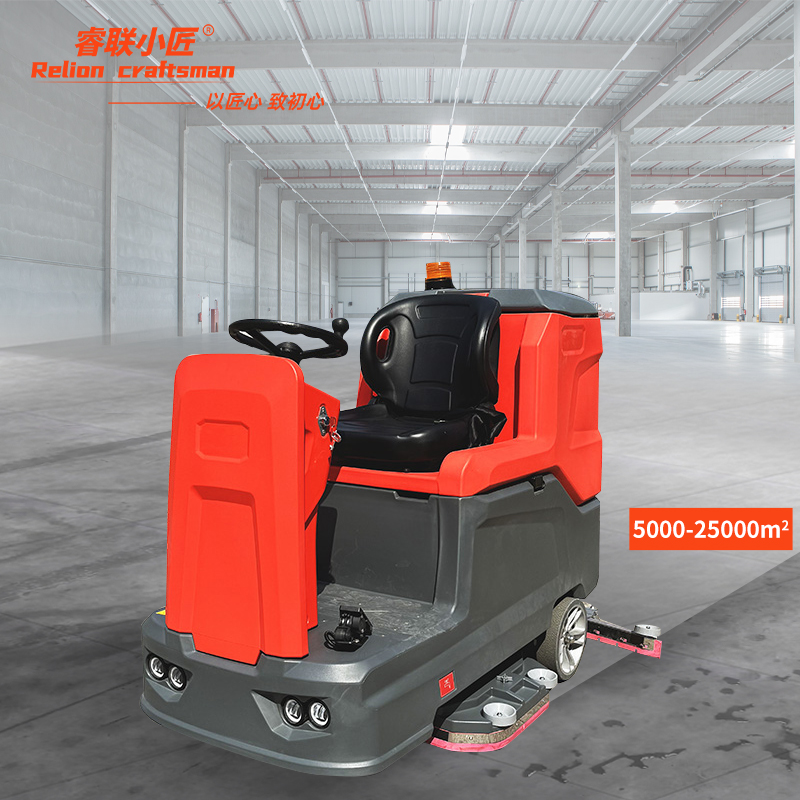
- Vacuum Cleaners and Floor Scrubbers: These are essential for cleaning carpets and hard floors, improving cleaning results while reducing manual labor.
- Pressure Washers: These are used to clean the exterior facilities of the hotel, such as windows, walls, and outdoor surfaces.
- Disinfection Sprayers: These devices are useful for efficiently and evenly disinfecting surfaces, especially during flu seasons or pandemics, ensuring a safer environment.
Staff Training and Management
Ensuring cleanliness and hygiene in hotels doesn’t solely depend on equipment and tools but also requires a trained and professional cleaning team. Regular staff training is essential. Employees should be well-versed in:
- Cleaning Standards: Clear cleaning standards and operating procedures should be established so that each team member follows the same process.
- Hygiene and Safety: Employees should be familiar with proper sanitizing techniques and safe handling of cleaning products and disinfectants.
- Time Management: A well-planned workflow ensures that each area is cleaned within a reasonable timeframe without overlooking or duplicating work.
Conclusion
In the competitive hospitality industry, cleanliness and hygiene are not only the foundation of customer satisfaction but also the core of building and maintaining a hotel brand. By maintaining strict cleaning standards, using appropriate cleaning equipment, and providing systematic staff training, hotels can create a comfortable, hygienic, and safe environment for guests, enhancing their overall experience and reputation. This, in turn, attracts more customers, builds loyalty, and helps the hotel stand out in the marketplace.